Learning to Think Like a Designer: Dhairya’s Application Journey Part 1
May 22
/
EEVA
SDS Student Dhairyashil Bharvirkar from India applied to a wide range of design programmes across Finland and the Netherlands and was accepted to almost all of them. In this two-part interview, he reflects on the gap between having creative potential and being able to show it, and on the shift in thinking that changed how he approached his entire portfolio.
Dhairya’s Application Results:
Aalto University – Design and Media (Accepted and chosen)
ArtEZ University of the Arts – Cross-media Design (Accepted with a €5,000 scholarship)
Willem de Kooning Academy (WdKA) – Product Design (Accepted)
Minerva Art Academy – Design (Accepted)
Royal Academy of Art (KABK) – Graphic Design (Reached the final interview round)
The Challenge of Building a Design Portfolio
Dhairya did not struggle with motivation. He already knew design was the direction he wanted. What he could not yet see was how to translate his interest into something an admissions team would actually understand.
"My biggest uncertainty was whether my profile was strong enough for competitive international design schools. I knew I had interest and potential, but I was not fully sure how to translate that into a portfolio and application that would make sense to admissions teams. I also felt unsure about how much my existing work reflected my real design thinking, especially compared to what schools like Aalto or the Dutch universities might expect."
The difficulty was less about producing work and more about reading the room. Different schools seemed to reward different things, and the criteria were rarely spelled out.
"What felt most unclear was how to build a portfolio that was not just visually attractive, but also communicated process, intention, and growth. I knew I had to show more than finished outcomes, but I did not know how to structure that clearly."
Choosing Structure Over Guessing
Rather than keep working on instinct as deadlines approached, Dhairya decided he wanted guidance early enough to act on it. That was when he joined the Scandinavian Design School BA in Design preparation course.
"I felt I needed proper structure and feedback before the application deadlines got too close. I did not want to keep guessing on my own. Since I was already seriously preparing for schools like Aalto and the Dutch programs, it felt like the right time to get guided support and make my work more strategic."
Seeing Work as a Process, Not a Product
The most important change was not a single project. It was a redefinition of what his work even was.
"The biggest change was that I started seeing my work as a design process, not just as a final product. Earlier, I judged my work mainly by how polished it looked. During the course, I began paying more attention to the thinking behind it — how ideas developed, how I responded to problems, and what my choices said about me as a designer."
That shift changed what he chose to put on the page.
"One specific thing I would not have done without the course was to present my process much more intentionally. I started showing development, experiments, and reasoning instead of only the final results. That made my portfolio feel more honest, and much stronger, because it showed how I think — not just what I made."
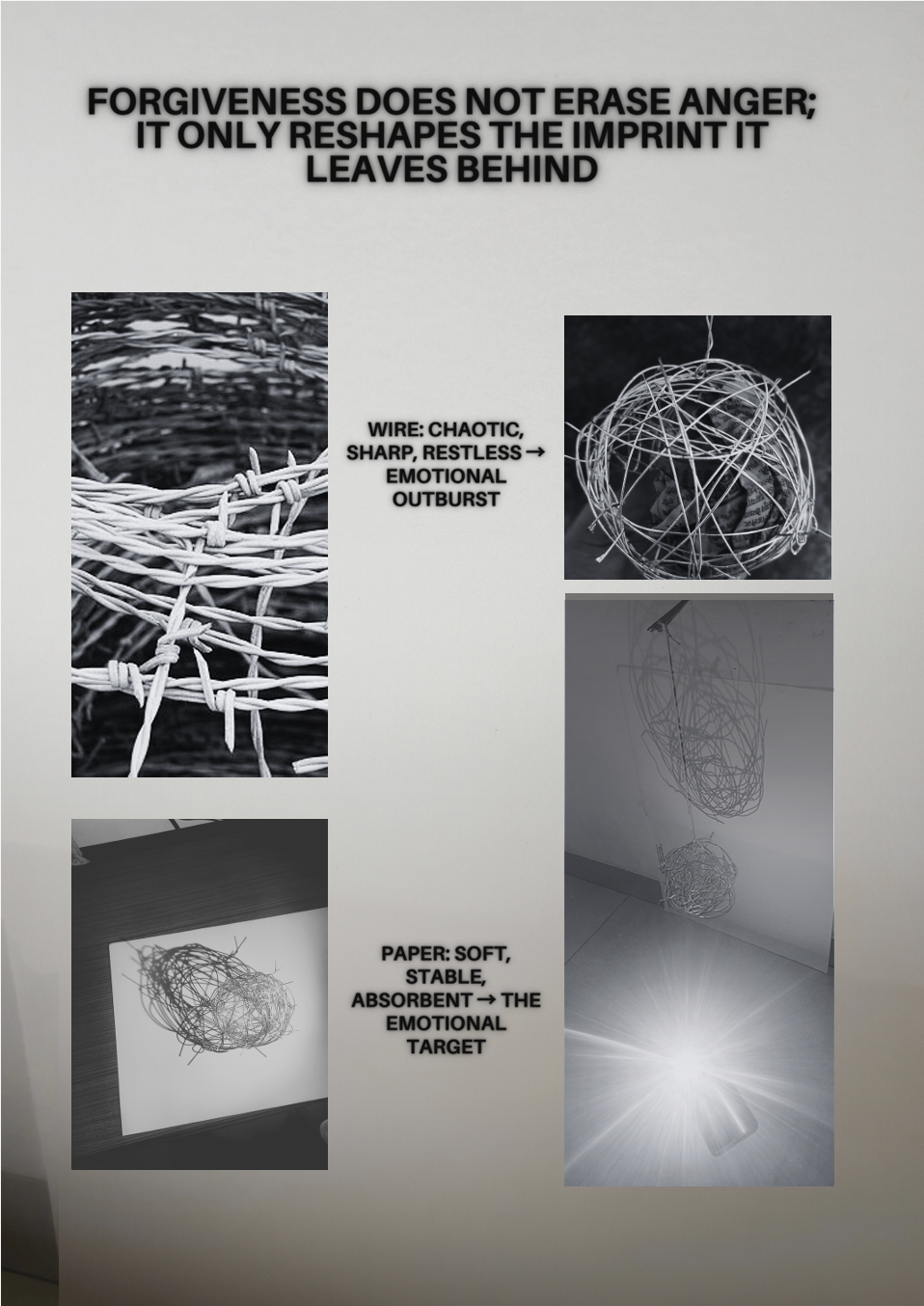
Dhairya's SDS course work: We asked students to explore the opposite ideas: Anger and Forgiveness and use any materials available for them to create a sculpture of the concept.
Empty space, drag to resize
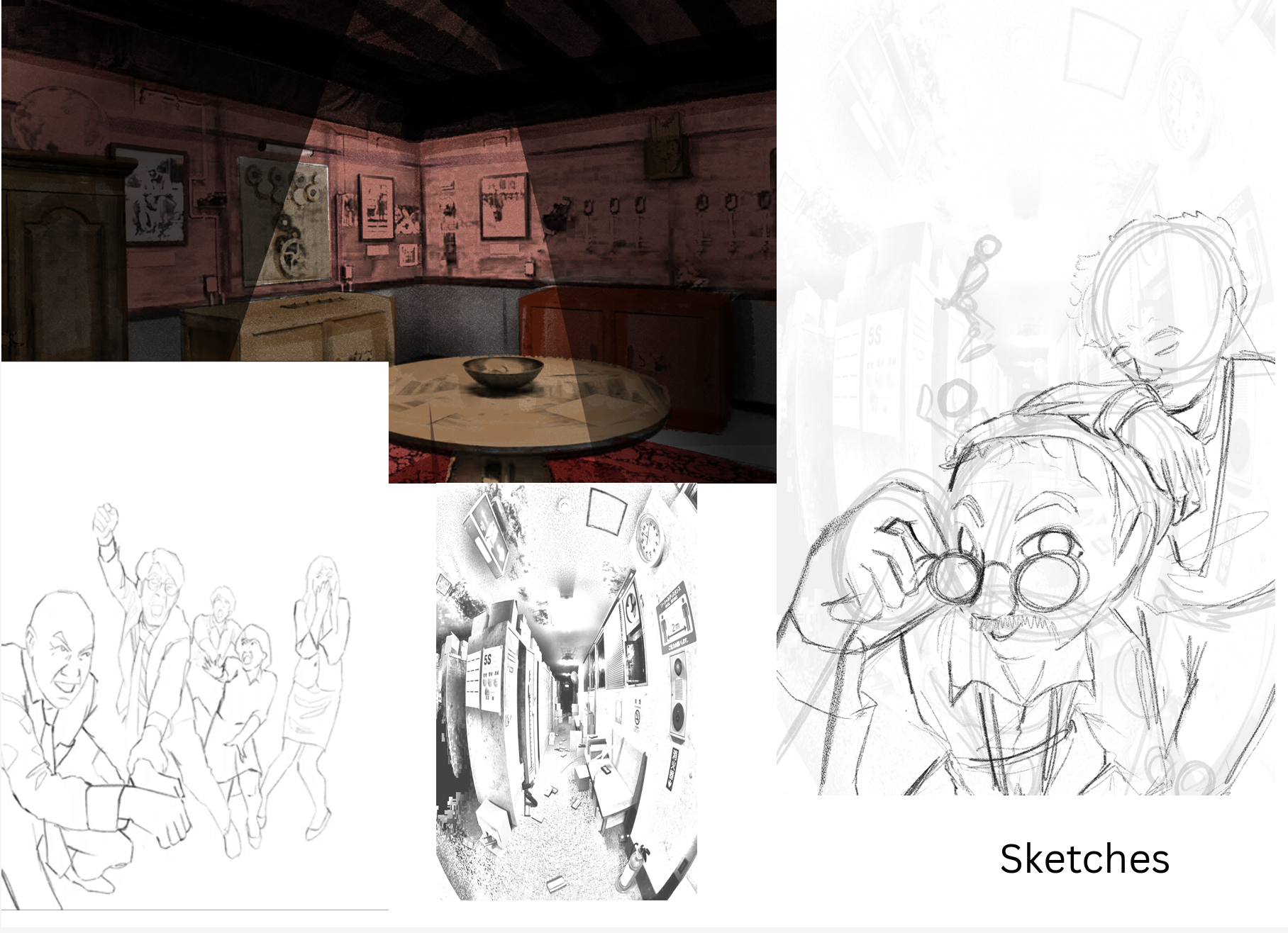
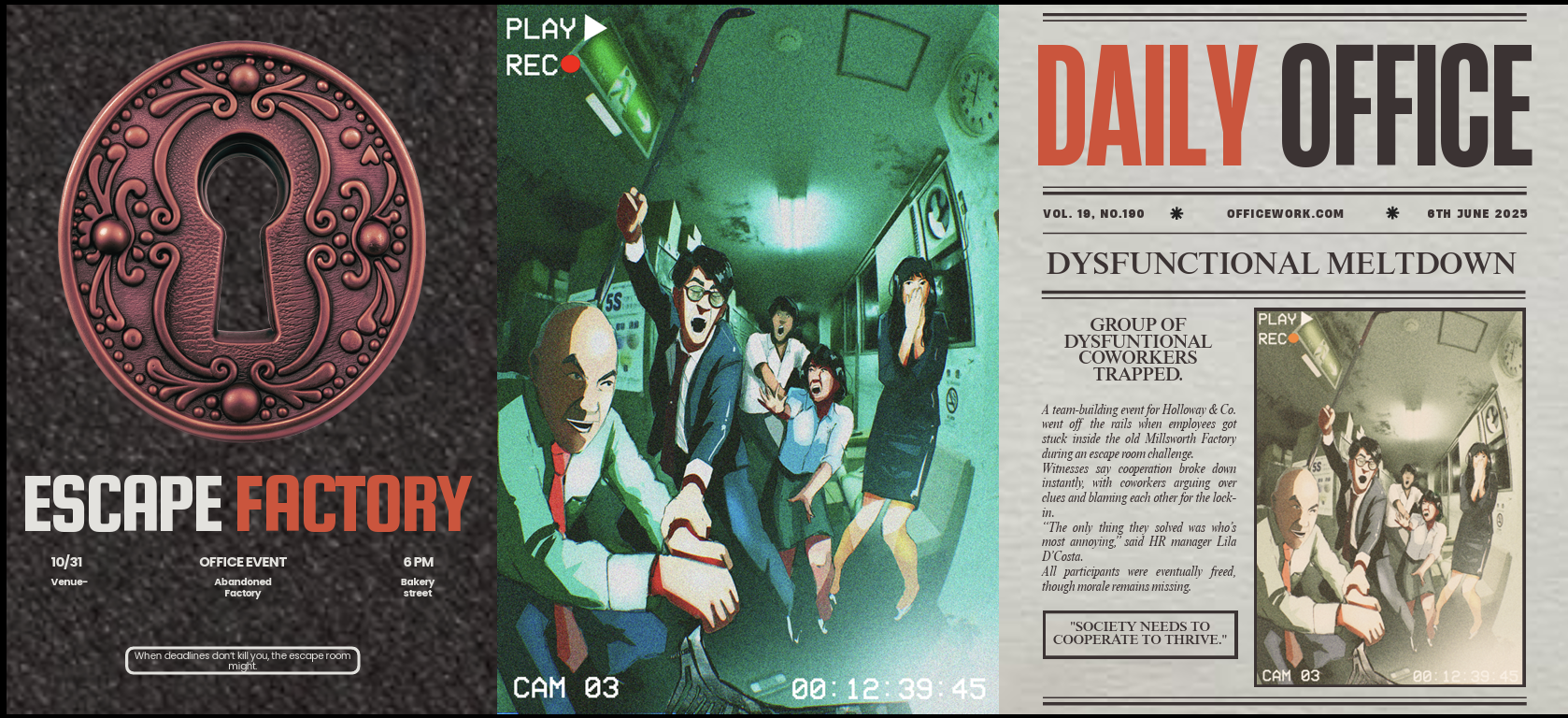
Dhairya's SDS course work: Sketches for a task where we focused on the user groups, ideation and visual communication. Final work is below:
Confidence — and a Wave of Offers
As his understanding grew, so did his sense of where he stood. By the time he submitted, he was satisfied with his work in a way he had not been before.
"I feel much more confident now than before the course. Earlier, I was unsure whether I was ready for these schools or whether my work was at the right level. Now I have a clearer understanding of where I stand, what my strengths are, and how to present myself in a way that feels more professional and more aligned with what design schools want."
The offers that followed — across five programmes in two countries — gave that effort a concrete meaning.
"Getting accepted meant a lot to me personally, because it felt like proof that the effort I had put into developing myself was being recognised. It gave me reassurance that my goals were realistic and that I could compete internationally. It also made me think more seriously about my future, because it showed me that my path in design can actually take me somewhere meaningful."
Empty space, drag to resize
Assignment - Festival poster - from Aalto entrance exam preliminary assignment. See the whole process from the second part of this interview!
Empty space, drag to resize
Reading through Dhairya's reflections, one theme appears again and again: learning to focus not only on what he made, but on how he thinks. The shift from presenting finished outcomes to communicating process changed the way he approached his portfolio and the design assignments, the way he saw his own abilities, and ultimately the way he imagined his future as a designer.
Stay tuned for the second part of the interview where we discuss the actual application tasks and his application portfolio.